
Basic U.S. eligibility
For a new U.S. au pair program application, BridgeUSA lists ages 18–26, spoken English proficiency, and completion of secondary school or its equivalent.
Read the official BridgeUSA requirementsNew U.S. au pair applicants must be 18–26, proficient in spoken English, and secondary-school graduates or equivalent. A designated sponsor assesses eligibility and required screening; an AuPair Advisers account is not program or visa approval. For extensions or rematch, confirm your current status with your sponsor.
Applications have three steps and require 3–5 photos. No password is needed. The team follows up by email after review. Family photos can show parents or shared spaces; children do not need to appear.
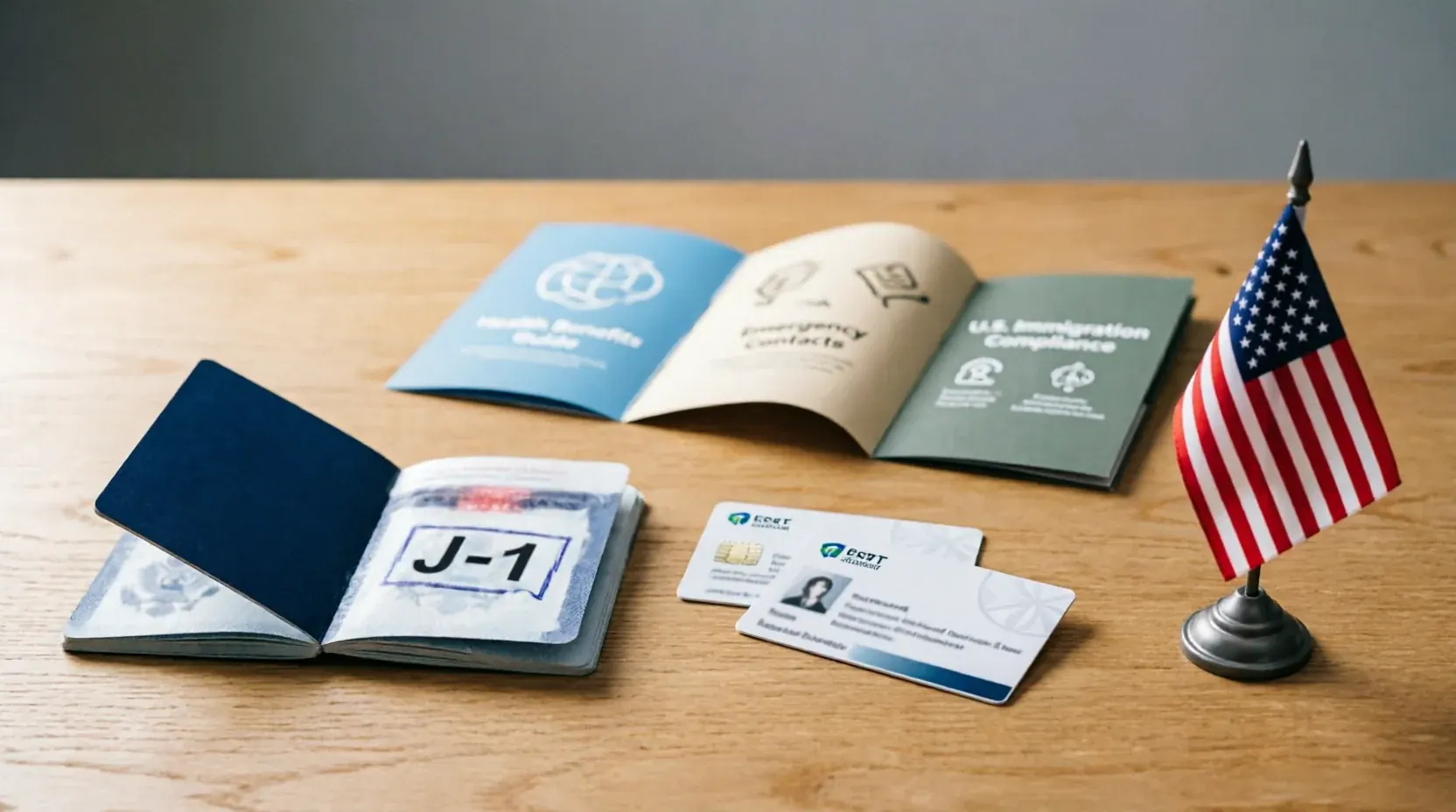
These points keep the matching process practical and reduce weak conversations before either side shares private details.
For a new U.S. au pair program application, BridgeUSA lists ages 18–26, spoken English proficiency, and completion of secondary school or its equivalent.
Read the official BridgeUSA requirementsA designated sponsor must assess eligibility, conduct an English interview, and arrange required medical and background screening. Ask the sponsor whether it currently recruits in your country. A matching account does not establish visa eligibility.
Prepare sponsor questionsList childcare ages, responsibilities, hours, references or context, special routines, and examples that show how you handle real family schedules.
Describe childcare clearlyClarify start date, location flexibility, driving comfort, languages, swimming, pets, transit confidence, and the kind of family rhythm you prefer.
Create a stronger profileUse clear photos, a direct headline, honest availability, and family-fit notes so your profile can be reviewed before introductions.
Prepare for interviewsAge, visa, sponsor, training, insurance, travel, rematch, extension, and legal requirements should be confirmed through the designated sponsor or qualified professional.
Read sponsor guidanceAfter checking U.S. program eligibility with a designated sponsor, prepare a profile that explains your childcare experience and the kind of household you can support.
The answer is not only documents. Families need proof of childcare judgment, reliable timing, realistic location flexibility, clear photos, and honest language about the home routine where the au pair can succeed.
Break experience into ages, settings, hours, responsibilities, routines, and examples. Avoid broad claims like great with kids without details.
State earliest start timing, current program status if relevant, extension or rematch timing, interview availability, and location flexibility.
Explain driving comfort, language, pets, swimming, homework, infant or toddler comfort, school-age routines, and communication style.
Public profile previews should be useful but not careless. They should not expose passport photos, visa documents, full references, home addresses, private family names, or sensitive history.
AuPair Advisers can use a reviewed workflow for more detailed notes when a host family is serious. That creates a better balance between search visibility, family trust, and privacy.
Name, general location, childcare focus, availability, care strengths, photos, and a short fit summary.
References, sensitive background, detailed documents, sponsor-specific status, and personal contact details belong in a private reviewed context.
Send your details and at least three photos for review. The team will email you with next steps.
Submit au pair applicationFor visa, sponsor, tax, insurance, or legal decisions, confirm details with the official sponsor or qualified professional.
A useful profile includes contact details, age confirmation, childcare interests, experience context, location, availability, photos, and family-fit notes.
No. These are AuPair Advisers profile readiness requirements. Confirm official visa, sponsor, travel, insurance, and legal requirements with the relevant sponsor or professional.
You need at least three different photos to submit the application. If you are not ready, send a preliminary enquiry first.
No. A stronger profile improves review quality, but it does not guarantee a family match, visa outcome, sponsor approval, or placement.
Families usually review age groups, routines handled, responsibility level, driving, communication, start timing, location flexibility, and examples that show judgment.
Prepare a profile that is specific enough for families to evaluate fit without exposing private details publicly.