
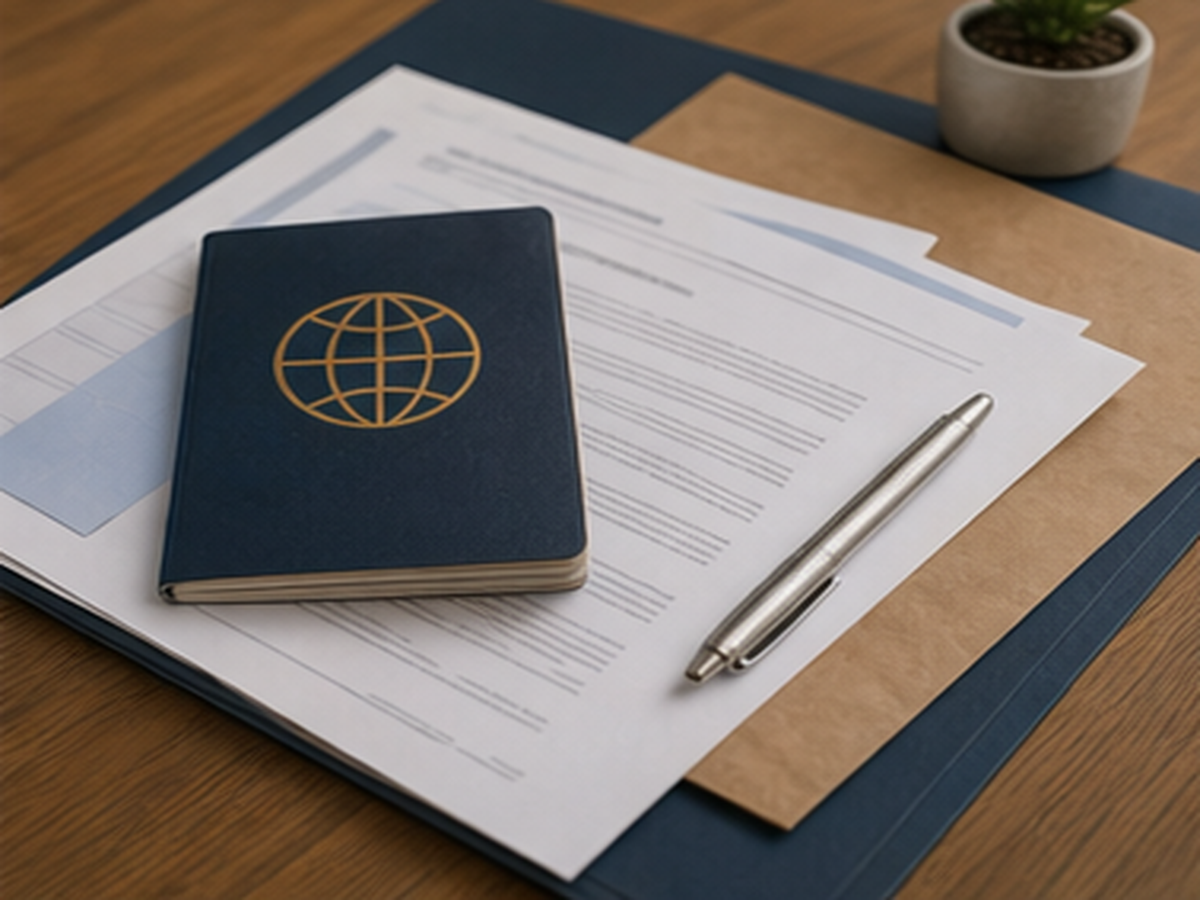
A J-1 au pair match is easier to review when both sides know which documents, deadlines, and sponsor questions are still open. AuPair Advisers can help organize the conversation, but visa, sponsor, legal, travel, and program requirements should always be confirmed with the official sponsor or a qualified professional.
Why documents matter early
Families and au pairs sometimes wait until after a good interview to discuss paperwork. That creates avoidable stress. A strong match needs the practical facts first: current program status, sponsor name, arrival or extension timing, location flexibility, travel plans, and any deadline that affects interviews.
What au pairs should prepare
Au pairs should keep sponsor contact details, current visa or program status, earliest realistic start date, extension or rematch details if relevant, driver license details, childcare references, and interview availability in one place. If a document is still pending, say that clearly instead of guessing.
What host families should prepare
Host families should organize household schedule, room setup, driving needs, weekly hours, start timing, children details, and questions for the sponsor. A family should not rely on memory during the first call. Written notes help the advisor and the au pair understand the real placement.
Questions to confirm with the sponsor
Ask about timelines, program rules, travel limits, rematch windows, extension steps, document validity, insurance, and any required agency process. Do not treat a blog post or social media answer as final guidance for program requirements.
Next step
Create one private note with the important facts before introductions begin. Need help preparing your au pair or family profile? Create your free account and the AuPair Advisers team will review the next step with you.
Practical checklist before the first serious interview
- Current sponsor or agency name, plus the best contact path for program questions
- Current status: first placement, extension, rematch, in-country, or preparing for arrival
- Earliest realistic start date and any deadline that could affect interviews
- Travel plans, location limits, passport or visa appointment timing, and any pending document step
- Host family schedule, weekly hours, room setup, driving needs, and children details
- Questions that must be confirmed by the official sponsor before anyone relies on an answer
What a strong document note looks like
A strong note is simple and factual. It should not try to solve every visa question inside the family conversation. It should identify what is known, what is pending, who can confirm the answer, and when the answer is needed. For example, an au pair in rematch may write the rematch deadline, preferred location range, driving comfort, sponsor contact path, and interview windows. A family may write the start date, children ages, driving routes, bedroom setup, schedule, and questions about weekly limits or travel.
Common mistakes to avoid
- Treating social media answers as final program guidance
- Waiting until after a good interview to mention a deadline
- Saying available soon without a date or sponsor context
- Hiding driving needs, weekend needs, or schedule changes until late in the process
- Mixing legal, sponsor, insurance, and family preference questions into one unclear conversation
How AuPair Advisers should use this information
The team should use the document note to decide whether the next conversation is ready. If core facts are missing, the profile should stay in review until they are collected. This protects both sides. A family should not meet an au pair without understanding timing and role basics. An au pair should not interview for a family without knowing the real schedule and home setup.
Final review standard
Before publishing or using this guide in a matching workflow, confirm that it gives practical organization help and does not present visa or sponsor rules as legal advice. The correct call to action is careful and specific: collect the facts, confirm official requirements with the sponsor, and then move into interviews with a written record.
Example note for this topic
Use this format before a match conversation: current status, timing, open sponsor questions, family role details, and the decision deadline. For an au pair, that might read: currently in extension review, available after July 15, comfortable with school-age children, can drive local roads, needs sponsor confirmation on travel timing. For a host family, that might read: two children ages 4 and 8, school pickup four days per week, private room ready, local driving required, interviews available Tuesday and Thursday evenings.
The note should be short enough to scan but complete enough that the team does not need to guess. If a detail changes, update the note before another introduction. Outdated document or timing information creates confusion quickly.
Editorial review before publishing
This article should be reviewed with three questions in mind. First, does it help a real au pair or family take a practical next step? Second, does it avoid giving legal or sponsor advice as if it were final authority? Third, does it connect the reader back to the actual matching process on the site?
For this topic, the safest language is careful language. The article can tell readers what to collect and what to ask, but it should direct official requirements back to the sponsor or qualified professional. That is the standard for every visa-related post on the website.
Quick FAQ
Should a family ask for every document directly? No. Families should understand timing and readiness, but official documents and program requirements should be handled through the correct sponsor process.
Should an au pair wait until an interview to mention a pending deadline? No. Timing affects every match decision. A deadline should be shared early so the team can decide whether the introduction is realistic.
What if a sponsor answer is unclear? Write the question down, ask the sponsor directly, and avoid making the match depend on a guess.
Scenario to compare
Weak process: both sides have a friendly interview, then discover that the start date, rematch deadline, or travel timing does not work. Strong process: the basic document and timing facts are collected before the call, so the interview can focus on fit.