
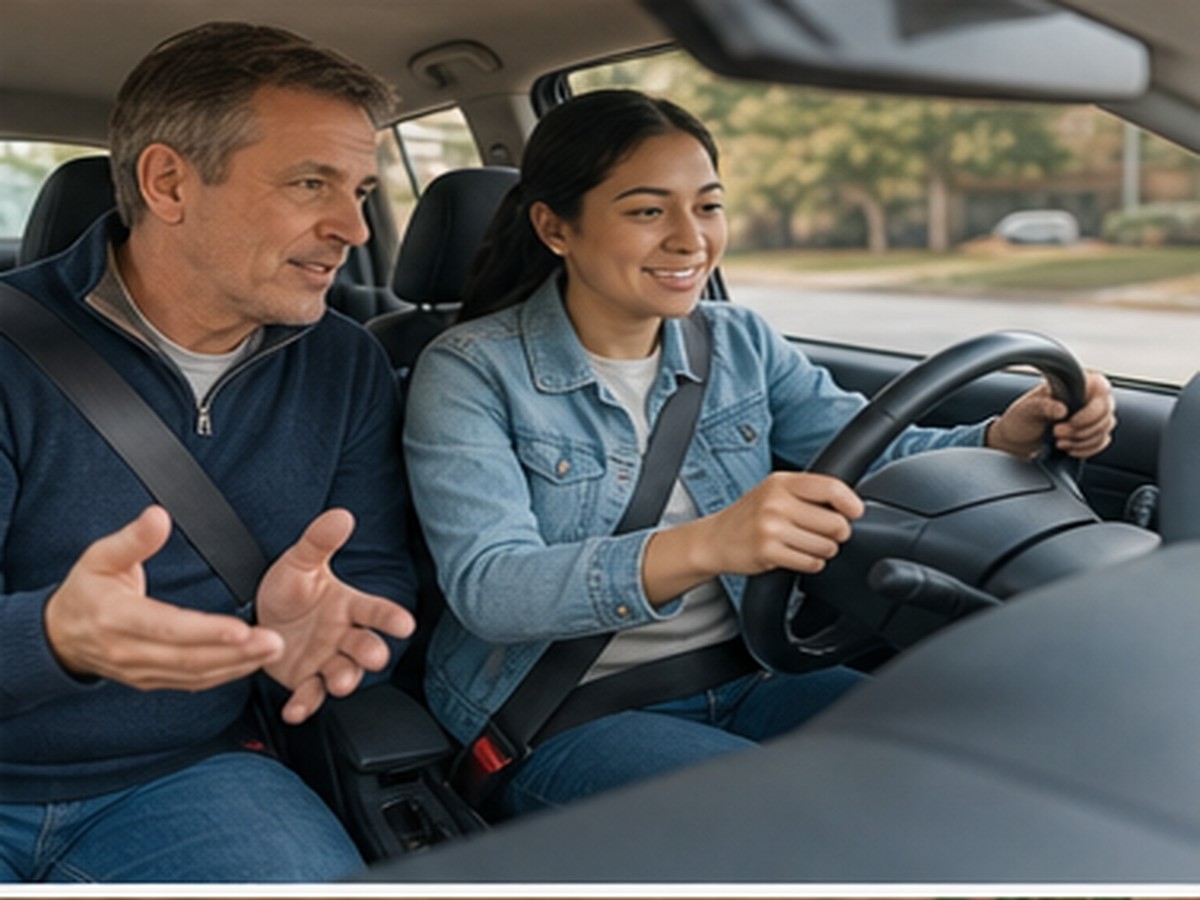
Driving should never be hidden inside a general childcare conversation. For many placements, it is one of the biggest fit signals. Clear driving expectations protect the family, the children, and the au pair.
Describe the routes
Families should explain where the au pair may drive: school, daycare, activities, grocery trips, appointments, or transit stations. Include distance, road type, parking, traffic, and whether highways are required.
Explain how often driving happens
There is a big difference between occasional pickup and daily driving with multiple children. Say how many days per week driving is expected and whether the schedule changes during school breaks.
Talk about the car
Explain whether the au pair has regular car access, who pays for gas during work driving, how insurance is handled, where the car is parked, and what rules apply outside working hours. Confirm insurance and legal details with the appropriate provider, sponsor, or qualified professional.
Ask about comfort and experience
Families should ask where the au pair has driven before, what conditions feel comfortable, and what would require practice. Au pairs should be honest about highway driving, snow, city traffic, night driving, and parking.
Build in a practice period
Even confident drivers need time to learn new roads, school lines, car seats, and family routines. A practice plan is more realistic than expecting instant confidence.
Make the expectation visible
Put driving needs in the family brief and interview notes. Need help preparing your au pair or family profile? Create your free account and the AuPair Advisers team will review the next step with you.
Driving details families should write down
- School, daycare, activity, appointment, and errand routes
- Distance, road type, traffic level, parking, and highway use
- Weather or seasonal concerns
- Car access during working hours and outside working hours
- Car seat responsibilities and family safety expectations
- Insurance, license, sponsor, and legal questions that need official confirmation
Why route detail matters
Saying driving required is not enough. A short drive on quiet streets is different from daily highway driving with two school pickups. City parking is different from suburban school lines. Snow, rain, night driving, and unfamiliar road rules can change the role completely. A family that explains the route honestly will attract better-fit candidates.
How to ask about driving comfort
Families should ask where the au pair has driven, how often, and in what conditions. Ask about manual or automatic cars if relevant. Ask about highways, parallel parking, night driving, school zones, and car seats. Au pairs should answer honestly. It is better to say I need practice than to accept a driving role that creates stress or safety risk.
Practice period
A mature plan includes practice. The first week can include riding together, reviewing school routes, practicing parking, learning child seat setup, and confirming emergency steps. Families should not expect instant confidence on unfamiliar roads.
What to avoid
- Adding driving after the match when it was not discussed
- Saying light driving when the role includes daily transportation
- Treating car access as a casual perk without rules
- Ignoring insurance or sponsor questions
- Pressuring an au pair to drive routes they clearly do not feel ready for
Final standard
Driving is part of the placement brief, not a side note. Put the expectation in writing before interviews become serious.
Example driving description
A strong family brief might say: driving is needed Monday through Thursday for school pickup, about 12 minutes each way, mostly local roads with one busy intersection, no highway required, parking is in a school pickup line, family will practice the route together during the first week.
A weak version would say: some driving needed. That phrase hides too much. It does not tell the au pair whether the driving is occasional, daily, easy, stressful, local, highway-based, or weather-dependent.
How to compare candidates fairly
Families should not treat all driver licenses the same. Ask about actual experience. Someone may have a license but little city driving. Someone else may be confident in suburban driving but uncomfortable with highways. The right question is not only can you drive. The right question is can you safely handle this driving role with the right practice and support.
Editorial review before publishing
Driving content should sound safety-first. It should never make driving feel like a minor detail. It should also avoid legal or insurance claims unless they are confirmed by the correct provider, sponsor, or professional.
Quick FAQ
Should families require driving confidence from day one? Not always. Many strong au pairs need local route practice. The issue is whether the driving role is realistic with training.
What if the au pair has a license but little U.S. driving experience? Treat that as a planning detail, not a personal failure. Discuss route practice, car rules, and comfort honestly.
Can driving be added after matching? It should not be treated as a surprise. If driving may be required, discuss it before the match is serious.
Scenario to compare
Weak description: you may drive sometimes. Strong description: school pickup is four days per week, mostly local roads, no highway, and the family will practice the route during week one.
Related next steps on the site
After writing the driving section, the family should review the full host family request and make sure the same expectation appears in the schedule, interview notes, and family brief. Driving should not appear in only one place. If driving is central to the role, it should shape which candidates are reviewed, which questions are asked, and how the first week of practice is planned. Clear driving language helps the team avoid weak introductions.