
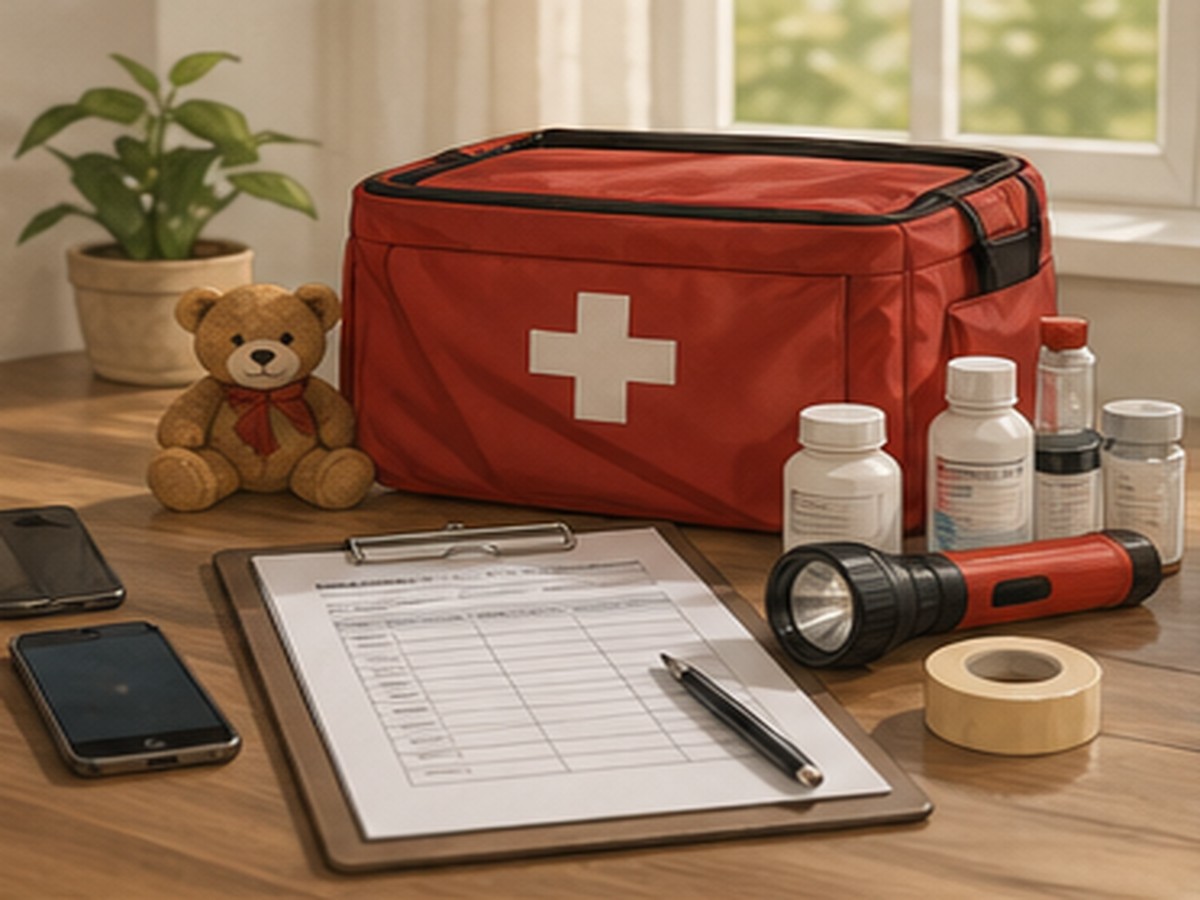
A safety plan should be ready before an au pair is responsible for children independently. It does not need to be complicated, but it should be written, visible, and practiced. Clear safety information helps the au pair respond calmly when something unexpected happens.
Who this guide is for
This guide is for host families preparing for an au pair arrival and for au pairs learning a new household. It is practical organization guidance. Medical, legal, insurance, sponsor, or emergency procedure questions should be confirmed with the appropriate professional, provider, sponsor, or local authority.
Core safety contacts
Families should provide parent phone numbers, backup caregiver contacts, pediatrician information, school contacts, local emergency number guidance, poison control if relevant, insurance instructions if appropriate, and the address of the home written clearly.
Child-specific notes
Write down allergies, medication instructions, food restrictions, medical conditions, school pickup rules, comfort strategies, and any behavior or sensory needs that matter in an emergency. Keep this information private and shared only with people who need it.
Home safety walk-through
Show the au pair exits, alarms, first aid supplies, fire extinguisher if available, water shutoff if relevant, childproofing, pet rules, and where important supplies are kept. Do not assume the au pair will know how your home is organized.
Driving safety
If the au pair drives children, review car seats, seat belt rules, school pickup lines, parking, gas, what to do after an accident, and who to call. Insurance and legal questions should be confirmed with the correct provider or professional.
School and activity pickup
Explain who is allowed to pick up the children, what identification may be needed, where to wait, what to do if the child is not there, and how to handle schedule changes. School pickup rules can be strict and should be practiced.
Emergency communication
Agree on the first call, second call, and written update process. In urgent situations, the au pair should know when to call emergency services, when to call parents, and who to contact if parents do not answer.
Safety checklist
- Home address written clearly
- Parent and backup contacts saved
- Medical and allergy notes reviewed
- School pickup rules explained
- Car seat and driving rules practiced
- Emergency supplies shown
- House exits and alarms reviewed
- Pet rules explained
- First week safety questions written down
Final standard
A good safety plan reduces panic. It should be simple enough to use, private enough to protect the family, and complete enough for the au pair to act responsibly.
Example safety note
A useful note might say: home address is printed by the kitchen phone, parent contacts are saved in the au pair phone, backup contact is the neighbor, allergy information is on the fridge, school pickup ID is in the folder, and emergency instructions are reviewed before independent care starts.
This note should be private and easy to find. Safety information is not useful if it is hidden in a long message thread.
SEO and reader intent check
Someone searching for an au pair safety plan wants a checklist they can use immediately. This post should cover contacts, home safety, school pickup, driving, medical notes, and emergency communication.
Quick FAQ
Should medical information be public? No. Share it only with people who need it.
Should the safety plan be practiced? Yes. Walk through the home and routes before independent care.
Who confirms medical or legal questions? The correct professional, provider, sponsor, or local authority.
Related next step
Before the au pair starts independent care, families should review the safety plan in person and ask the au pair to repeat the key steps back.
How safety planning helps matching
A safety plan shows that the family is ready to hand over responsibility carefully. It also gives the au pair confidence. The first time an au pair sees emergency contacts, allergy notes, school rules, or car seat instructions should not be during an emergency.
Families should review the plan in person. Au pairs should ask questions until they can explain the key steps back. If the family routine includes driving, school pickup, pets, medication, allergies, or water safety, those details deserve extra attention.
Quality score self-check
Score the safety plan on emergency contacts, medical notes, school pickup, driving, home walk-through, backup contacts, and update process. Any weak area should be fixed before independent childcare begins.
Implementation path
Step one is to gather contacts and child-specific notes. Step two is to place the information somewhere easy to find but private. Step three is to walk through the home, school pickup, driving, and emergency steps in person. Step four is to update the plan whenever phone numbers, medical notes, or school rules change.
The au pair should not only receive the safety plan. They should understand it well enough to use it under pressure.
What high quality looks like
High quality means the reader can create a practical safety sheet after reading. The content should be careful, private, and clear about when professional or official guidance is required.
This also helps the team review the placement with less guessing, because safety details become part of the matching record rather than a separate last-minute conversation.
This final check makes the plan easier to use because every responsible adult can see what must be reviewed before independent childcare starts.